

Choosing Tiles For Underfloor Heating
16/02/2026Underfloor heating has rapidly become one of the most sought-after home comfort upgrades, delivering consistent warmth, freeing up wall space from radiators, and turning floors into a luxury feature rather than just a surface. But choosing the right tiles for underfloor heating is essential if you want performance, durability, and a beautiful finish that lasts for years.
At CTD Tiles, we’re here to guide you through the best tile choices and installation considerations for underfloor heating, so you get the perfect balance of efficiency, style, and long-term value.
What Is Underfloor Heating?

Underfloor heating is essentially a heating system that sits underneath a floor covering and has become a popular feature in many homes, especially those looking to improve efficiency or gain the space taken up by traditional radiators. For highly-rated electric underfloor heating options, CTD has you covered, should you decide to install underfloor heating in your home.
Electric underfloor heating uses electrical elements laid into an ultra-thin membrane to pass the heat through the surface above it. Electric underfloor heating is a popular option as it can easily be laid down, wired in and tiled over without adding additional floor height. The groundwork for installing an electric underfloor heating mat can be done yourself, but you will need to get a professional electrician to connect it and certify it before use.
Popular electric underfloor heating products from CTD:

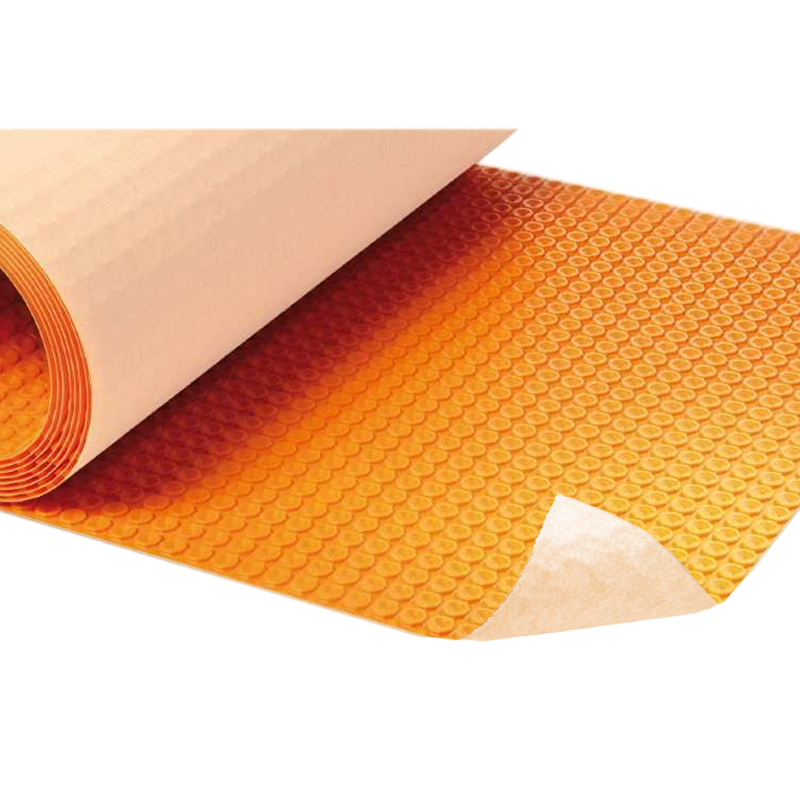
£219.11 INC VAT

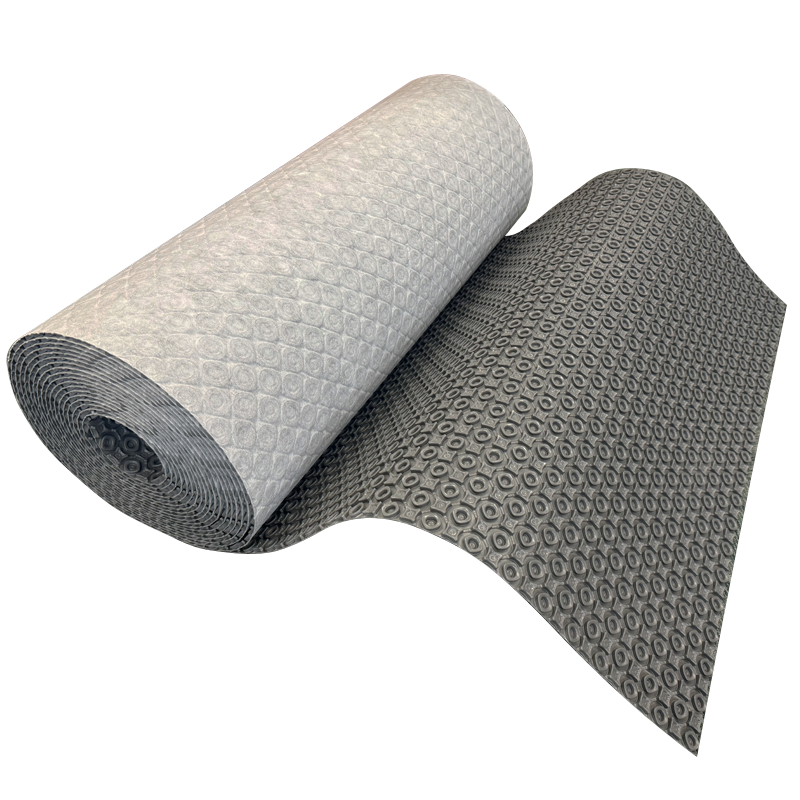
£13.19 INC VAT
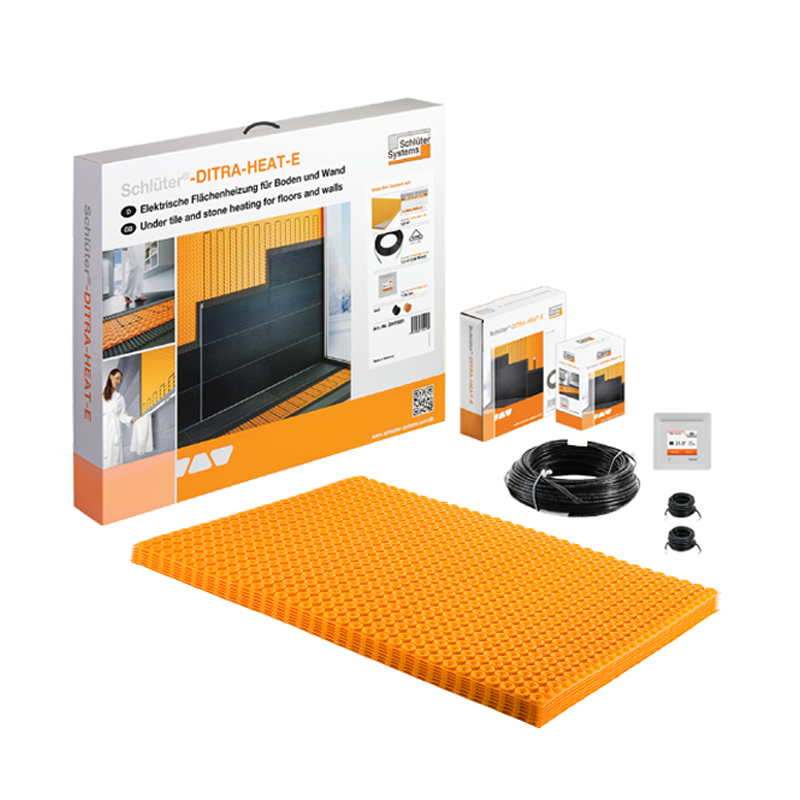
FROM £405.90 INC VAT
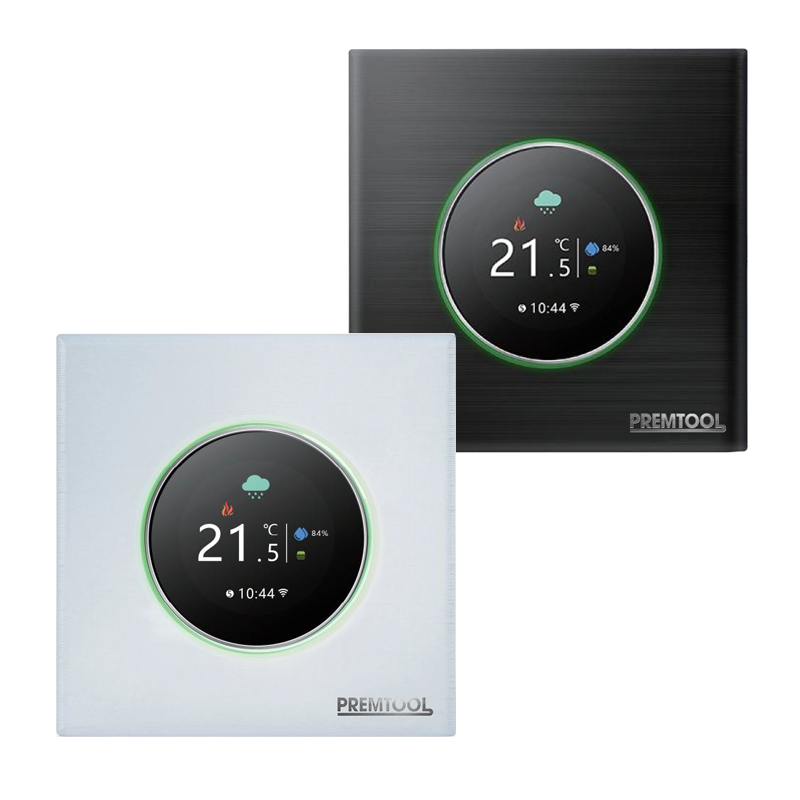
FROM £97.19 INC VAT
Why Choose Tiles with Underfloor Heating?
Tiles are one of the most effective floor finishes to use with underfloor heating systems. Here’s why:
Excellent thermal conductivity – Tiles transfer heat efficiently, meaning your system doesn’t have to work as hard to warm up your space.
Compatible with all heating types – Whether you’re installing electric mats or water-based systems, tiles work beautifully with both.
Durability – High-quality tiles withstand thermal expansion and contraction without cracking.
Low maintenance – Tiles are easy to clean and ideal for busy areas such as kitchens, bathrooms and living spaces.
Best Tile Types for Underfloor Heating
Not all tiles perform equally when paired with underfloor heating. The key is choosing materials that transfer heat well and resist damage from temperature changes.

🟡 Porcelain Tiles – A Top Choice
Porcelain tiles are the gold standard for underfloor heating:
High density and low porosity
Exceptional heat transfer
Minimal expansion under heat
Porcelain tiles are ideal for achieving even temperature distribution and are durable enough for high-traffic areas.
⚪ Ceramic Tiles – Great All-Rounder

Ceramic tiles are another strong performer:
Good heat conduction
Affordable and versatile
Wide variety of colours, shapes and finishes
While not quite as dense as porcelain, modern ceramic tiles still work very well with underfloor heating, especially in living spaces and as bathroom tiles.
🟤 Stone Tiles – Look Aesthetic

Natural stone tiles can be stunning when paired with underfloor heating:
Excellent heat retention
Timeless elegance
Important: Some natural stones (like marble and slate) can vary in density and moisture content. They may require careful sealing and installation to avoid cracking or uneven heating.
What to Consider When Choosing Tiles
🔹 Thermal Conductivity
The higher the tile’s ability to conduct heat, the more efficient your heating system will be. Porcelain tiles typically lead in this category, followed by ceramic and certain dense stone tiles.
🔹 Thickness
Thinner tiles usually heat up faster. However, thickness must be balanced with durability and intended use, especially with kitchen tiles or tiling in hallways.
🔹 Size & Layout
Large format tiles mean fewer joints and a cleaner look, but you’ll need to ensure proper adhesive coverage and movement joints as required.
🔹 Slip Resistance
If installing bathroom tiles or wet room tiles, choose a slip-resistant surface finish to improve safety.
🔹 Installation
When it comes to installation, the process for laying them is the same. However, ceramic tiles are slightly softer and typically easier to cut. Having said that, with the right equipment, like a tile cutter, cutting any kind of tile is made easier.
Read more:
Installation Tips for Underfloor Heating & Tiling
Proper installation is critical to success. Here’s what you need to know:
✅ Follow Manufacturer Guidelines
Always use tile adhesives and grouts suitable for heated floors, specially formulated to handle temperature changes. A great adhesive option is PREMTOOL RSW, and a diverse grout option is Kerakoll Fugabella.
✅ Conduct a System Test First
Before tiling, the heating system should be tested to confirm it’s functioning. This protects against potential damage during installation.
✅ Expansion Joints Matter
Underfloor heating causes subtle expansion and contraction. Ensure adequate movement joints are included to avoid cracks later on.
✅ Dry Run Layout
Plan your tile layout before fixing begins. This helps avoid awkward cuts and ensures a balanced finish, especially around room edges.
Get Tiles For Your Underfloor Heating
👉If you’re ready to give your home that warm feeling underfoot, then visit your closest store or contact our team today for personalised advice on our collection of underfloor heating systems and high-quality underfloor heating-friendly tiles.